

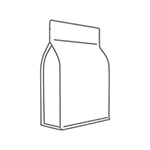

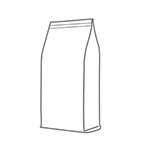



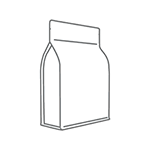

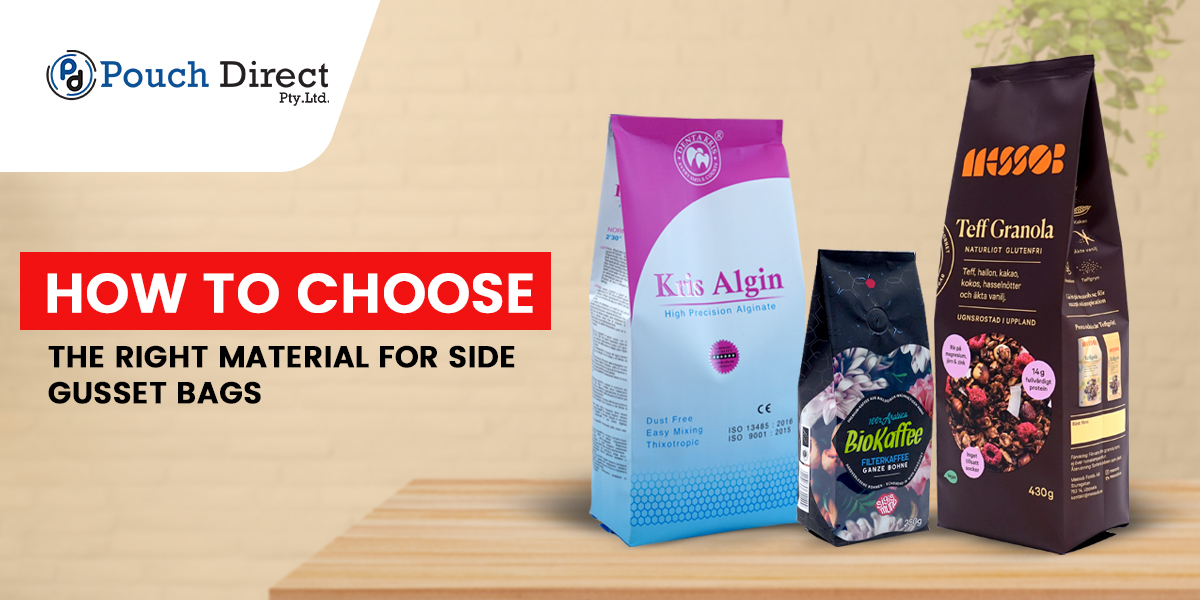
Choosing a side gusset bag is not only about its size or appearance. The material structure plays an important role in protecting the product during filling, storage and transportation. The right choice depends on the product, its shelf life requirements and the conditions it will experience after packaging.
Start With the Product
Different products require different levels of protection. Coffee, snacks, powders, grains and other dry foods may need protection against moisture, oxygen, light or aroma loss.
The material should be selected according to the product’s characteristics and expected shelf life, rather than simply choosing a commonly used structure.
MATERIAL FACT
A material structure that works well for one product may not provide the same level of protection for another product with different barrier requirements.
Brands looking for Side Gusset Bags should therefore consider the product requirements before finalising the material structure.
Why Barrier Protection Matters
Moisture and oxygen can affect the quality of many packaged foods. Coffee, for example, can lose freshness when exposed to oxygen, while moisture can affect products such as snacks, powders and dry ingredients.
The required barrier level should be considered alongside storage conditions, expected shelf life and distribution. Products travelling long distances or remaining in storage for extended periods may require a carefully selected barrier structure.
Recyclable Material Options
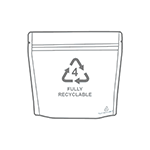
Packaging technology has expanded the range of material options available to brands, including recyclable structures for applications where the required performance can be achieved.
Brands considering Recyclable Flexible Packaging should look at both sustainability goals and product protection. Recyclability should not be considered separately from shelf life, barrier performance and the recycling infrastructure available in the target market.
The right solution is one that provides the required product protection while meeting the packaging goals of the brand and market.
Filling and Sealing Requirements
Material selection also needs to work with the filling and sealing process. Different structures can have different flexibility, stiffness and sealing characteristics, which may affect how the bag performs on packaging equipment.
For automated production, testing the proposed material with the actual filling and sealing process can help identify issues before a larger production run. This is particularly useful when introducing a new bag structure or changing an existing packaging format.
How to Make the Right Choice
A practical material selection process starts with a few basic questions: What is the product? How long does it need to remain protected? What storage and transportation conditions will it experience? What filling and sealing process will be used?
Once these requirements are clear, the appropriate laminate or material structure can be selected. There is no single best material for every side gusset bag. The right structure is the one that matches the product and its intended use.
For brands developing Custom Packaging Solutions, discussing these requirements with the packaging manufacturer at an early stage can help avoid unnecessary changes later in production.
Final Thoughts
Material selection is one of the most important decisions when developing side gusset packaging. A suitable structure can help maintain product quality, support the required shelf life and provide reliable performance throughout storage and distribution.
For Australian brands, choosing the right Flexible Packaging Materials means balancing product protection, production requirements, appearance and sustainability rather than focusing on only one factor.